Written by Luiza Ghazaryan
In September of 2020, Azerbaijan attacked the peaceful residents of Republic of Artsakh. As a result, two months later, ethnic Armenians were forced to abandon their homes and give up a significant portion of their historic lands. As a fierce and resilient nation, Armenians once again revived and continued thriving in the remainder of Artsakh. When the wounds and memories were just starting to heal, in December of 2022, Azerbaijan closed “The Road of Life,” the Lachin corridor connecting Armenia and Artsakh. The blockade in Artsakh started. The second blockade after the one in the 90s that lasted three years. Being disconnected from the rest of the world meant having no access to food, fuel, and most importantly, medical care. Due to a shortage of medical supplies and no electricity, all hospitals in Artsakh had to cancel surgeries – but the patients still needed the care. Many of them had cancer or cardiovascular diseases, which usually require immediate medical attention. To receive appropriate care, they needed to be transferred from Stepanakert, capital city of Artsakh, to Yerevan, the capital city of Armenia; however, Azerbaijani forces did not even allow that. There have been cases where the patients being transported to Yerevan by the Red Cross were kidnapped by Azerbaijan.
Republic of Artsakh’s Foreign Minister said that hospitals could no longer function normally and farmers were usually targeted by Azerbaijani armed forces to prevent any economic activity and aggravate the famine.
Ani Kirakosyan found out about her pregnancy a month after the blockade started. As there was no public transportation due to fuel shortage, she had to walk miles in the winter cold to get to a local medical clinic. However, the clinic did not have enough equipment to detect any issues in the early pregnancy. In the sixth month of her pregnancy, she was taken to the hospital due to a pain in her abdomen. The ambulance had to make stops and take other six patients to the hospital in order to save fuel. Unfortunately, when Ani arrived at the hospital, she was told that she would give birth three months early. Because of inaccessible roads and fuel shortage, Ani was all alone when she gave birth to a stillborn baby. Her condition was caused by malnutrition and stress. This is Ani Kirakosyan’s story, but it supports other Armenian women who had a miscarriage due to these conditions created illegally. As per public official records, the number of recorded miscarriages had increased fourfold compared to the previous year.
“If not for the blockade, I would be playing with my child today.” – Ani Kirakosyan
Another story is told by Anna, a resident in Artsakh. During the war her grandfather was sick with coronavirus. Because of constant bombing and shelling in Artsakh, he had to stay in a humid and cold basement. The disease aggravated and he had also gotten pneumonia. When finally transported to a hospital in Stepanakert, he was not admitted due to lack of space – there were too many people wounded in the war. He was later transferred to a different hospital, but sadly, the medical care was delayed and he had passed away. Anna’s story shows that even before, Artsakh Armenians were constantly deprived of their healthcare rights.
When nobody stands up against ethnic cleansing and months pass, people lose hope and become uncertain about the future. As stated in a CNN article in 2023, Artsakh administration reported that 95% of residents were suffering from malnutrition and hidden hunger, a term referring to a lack of essential vitamins and minerals.
“Starvation is the invisible genocide weapon…it is critically important to label this as genocide,” Moreno Ocampo, the former chief prosecutor of the International Criminal Court, told New York Times.
Ronald Suny, a political science professor at University of Michigan explained this tactic, “Rather than use direct violence, which would incite opposition from abroad… Baku is determined to make the Armenians’ lives impossible, starve them out, and pressure them to leave.”
Starvation has serious health consequences for humans, especially affecting bones, muscles, skin, and internal organs as well as weakening the immune system due to insufficient nutrients consumed by the organism. Long term starvation can lead to a number of chronic illnesses such as diabetes or cardiac disease. After being blockaded for 9 months, malnutrition became the leading cause of death.
Artsakh administration reported the first starvation death case in August, 2023 and emphasized the need of humanitarian aid, “The catastrophic food situation caused by the blockade and especially the 2-month-long complete siege, leading to the malnutrition of people and the threat of hunger, the lack of necessary medicines and the inability of the full functioning of the healthcare system create direct and undeniable threats to 120,000 population of Artsakh.”
Especially vulnerable group of people in this situation were pregnant women, or more exactly, kids born during the blockade. Some parents even told how kids born during the blockade grew up not knowing the taste of most of the fruits and meat. Malnourishment is more dangerous for kids as their organisms are still in a developmental stage. Their cognitive skills are the most affected area, which lead to a number of mental illnesses such as depression, eating disorders, ADHD, affecting their academic performance. Moreover, some families were torn apart and not allowed to cross the corridor to reunite with their relatives. And note, even mental healthcare was not accessible during this time. Armenians of Artsakh were left all alone to fight against these war crimes.
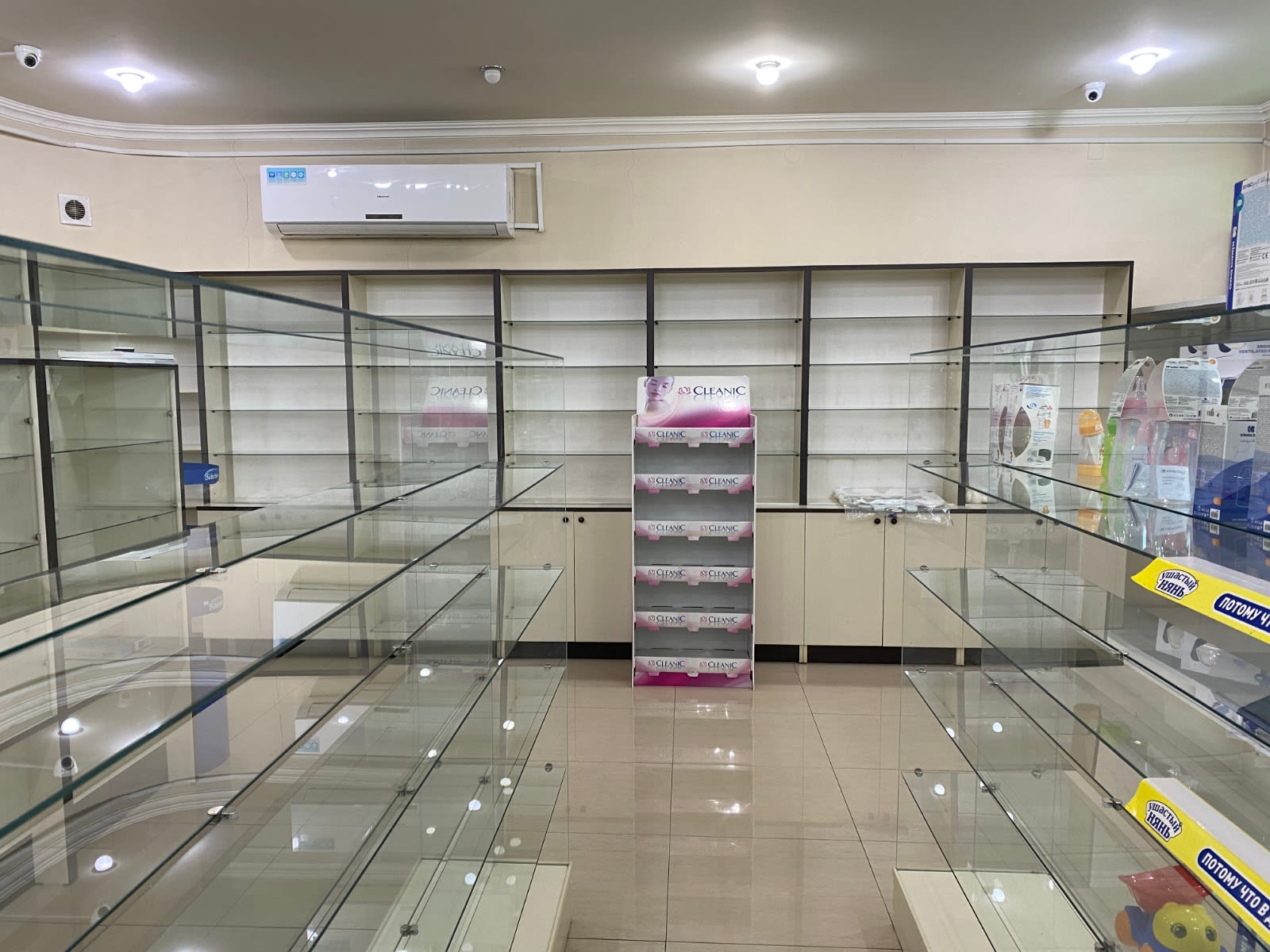
At this point of forced isolation, people started to exchange other necessities for food, to sustain life. Breastfeeding mothers needed nutritious food in order to feed their babies, or baby formulas, but all the pharmacies were empty and no aid was allowed to enter the country.
281 days of blockade later.
Azerbaijan launched a full scale attack on Artsakh. Again, in September of 2023. Artsakh Armenians were forcibly removed from their homes, the land where they had grown up, created history and culture for centuries, leaving behind everything, even the photos of their dead relatives.
During the emotionally heavy days of being displaced and having to find a new home, a powerful explosion happened in Artsakh. Many medical professionals had already been displaced, so the number of caring team members was already limited, as well as the medical supplies due to the blockade. “At this moment we do not have any medical resources left…we are out of anti-burn antibiotics. We have a very high number of burn patients,” a hospital official said.
With the sorrow and pain of being forced to leave, ethnic Artsakh residents received support from their brothers and sisters in Armenia. The international media has not explicitly supported them and international human rights organizations failed Artsakh Armenians by not taking necessary and significant measures to stop Azerbaijan war crimes. And cultural heritage preservation organizations did not help Armenians to be sure that their cultural heritage sites will be safely kept in the historic lands. The fear of losing cultural and ethnic identity also leads to stress and anxiety. Armenians were alone in fighting for their right to live. The Republic of Armenia Ministry of Health announced a series of healthcare services specifically for forcibly displaced Armenians such as full medical coverage, creation of a specific hotline, visits throughout the country to conduct primary medical examinations, collect necessary information to assess needs and provide more targeted solutions to them in the future. The Ministry of Health has also started providing displaced medical workers with a job. In terms of healthcare, Doctors Without Borders had promptly responded to this humanitarian crisis by sending a team of mental health specialists to provide aid to those affected. And so, people choose healing with the longing in their hearts and hope in their minds.
3 wars.
281 days of blockade.
120,000 forcibly displaced ethnic Armenians.
But resilient Armenians who will always continue to live and prosper.
Edited by Noor Naheed and Ambika Nair
 Health Righters